 Call Us : 08071630670Call Us : 08071630670

 Send Inquiry
Capacitive Liquid Level Sensor
Price 10000 INR/ Piece
MOQ : 1 Piece
Capacitive Liquid Level Sensor Specification
- Operating Temperature
- -20C to +85C
- Response Time
- <100 ms
- Wireless
- No
- Interface
- 3-wire / 4-wire
- Mounting Type
- Threaded or Flange Mount
- Sensor Type
- Capacitive
- Features
- Corrosion resistant, maintenance-free, compatible with various liquids
- Signal Type
- Continuous / Switching
- Measurement Range
- 0-2000 mm (customizable)
- Sensitivity
- High
- Application
- Liquid Level Measurement in tanks and vessels
- Cable Length
- 2 meters (standard, extendable)
- Power Consumption
- <3 W
- IP Rating
- IP65 / IP67
- Product Type
- Level Sensor
- Material
- Stainless Steel
- Input
- Capacitive
- Output
- PNP / NPN or Analog (4-20mA/0-10V)
- Function
- Non-contact detection of liquid level
- Usage
- Industrial
- Accuracy
- 1% F.S.
- Resolution
- 1 mm
- Voltage
- 220 Volt (v)
- Weight
- Approx. 150g
- Reverse Polarity Protection
- Yes
- Housing Material
- Stainless Steel / Engineering Plastic
- Storage Temperature
- -30C to +90C
- Short Circuit Protection
- Yes
- Vibration Resistance
- 10-55Hz, 1.5 mm double amplitude
- Maximum Pressure
- 10 bar (depending on model)
- Frequency
- 50/60 Hz
- Suitable Liquids
- Water, oil, chemicals, conductive and non-conductive liquids
- Electrical Connection
- Screw Terminal / Cable Gland
- Output Current
- Max 200 mA
Capacitive Liquid Level Sensor Trade Information
- Minimum Order Quantity
- 1 Piece
- Supply Ability
- 500 Pieces Per Week
- Delivery Time
- 2 Week
- Main Domestic Market
- All India
About Capacitive Liquid Level Sensor
As per the varying expectations of our customers, we are actively engaged in rendering a broad array of Capacitive Liquid Level Sensor. It plays a significant role in suppression of surface level fluctuations. This sensor is able to detect dense targets and liquids. Capacitive Liquid Level Sensor is an instrument for measuring the height of a liquid. It is also useful for operating close to the measurement object. It comes in different capacities, dimensions and sizes.
Outstanding Accuracy and Versatility
With an accuracy of 1% F.S. and a 1 mm resolution, our capacitive sensors deliver reliable real-time liquid level data over a customizable range of up to 2000 mm. They integrate seamlessly with industrial automation systems and suit a wide variety of liquids, both conductive and non-conductive. Advanced electronics ensure fast response times and stable operation in demanding conditions.
Rugged Construction for Industrial Applications
Built with corrosion-resistant materials and a choice of stainless steel or engineering plastic housing, these sensors withstand rigorous industrial environments. The IP65/IP67 ratings offer protection against dust and water, while vibration resistance ensures consistent performance even when installed on active equipment. Threaded or flange mounting options facilitate easy installation in tanks and vessels.
Simple Installation and Low Maintenance
Installation is flexible with screw terminal or cable gland electrical connections and extended cable length options up to 2 meters. The sensors design supports maintenance-free operation and is protected against short circuits and reverse polarity. Its compact size and low power consumption (<3 W) minimize operational overhead, making it a practical solution for continuous liquid level monitoring.
FAQs of Capacitive Liquid Level Sensor:
Q: How does the capacitive liquid level sensor measure liquid levels without contact?
A: The sensor detects liquid levels by measuring changes in capacitance caused by the presence or absence of liquid near its probe. This non-contact process ensures safe and contamination-free operation for various liquids within tanks and vessels.Q: What types of liquids can this sensor be used with?
A: It is suitable for water, oil, chemicals, and both conductive and non-conductive liquids. The robust design and advanced sensing technology make it adaptable across a broad spectrum of industrial fluids.Q: Where is this sensor typically installed and what mounting options are available?
A: The sensor is designed for installation in industrial tanks and vessels. It supports threaded and flange mounting, allowing it to integrate easily into existing tank systems regardless of design.Q: What benefits does the sensor offer for industrial liquid level measurement?
A: Key benefits include non-contact accurate measurement, resistance to corrosion and vibration, maintenance-free operation, and compatibility with different liquids and outputs, making it highly reliable for industrial settings.Q: When should this sensor be used instead of other level detection devices?
A: Choose this sensor when non-contact detection, high accuracy, fast response time, and compatibility with challenging liquids (including corrosive types) are required. It excels in environments where reliability and minimal maintenance are vital.Q: How do I connect the sensor electrically to my control system?
A: Electrical connection is made via screw terminal or cable gland, supporting 3-wire or 4-wire interfaces. The sensor offers versatile output options, including PNP, NPN, and analog signals suitable for most industrial control systems.Q: What process should I follow to ensure proper installation and operation?
A: Select the appropriate mounting (threaded or flange), ensure the electrical connection matches your system, and verify environmental parameters like temperature and pressure. Regular inspection is generally unnecessary due to its maintenance-free design.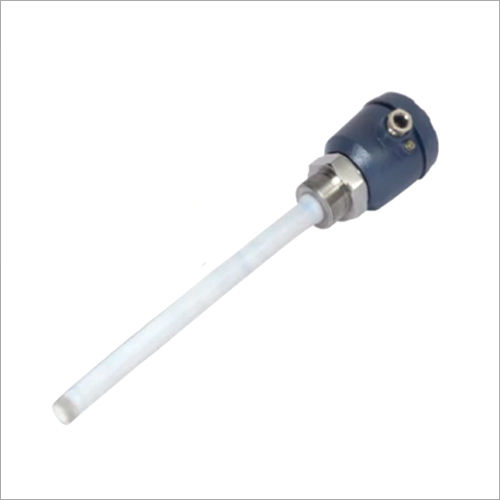
Tell us about your requirement

Price:
Quantity
Select Unit
- 50
- 100
- 200
- 250
- 500
- 1000+
Additional detail
Mobile number
Email

More Products in Level Sensors Category
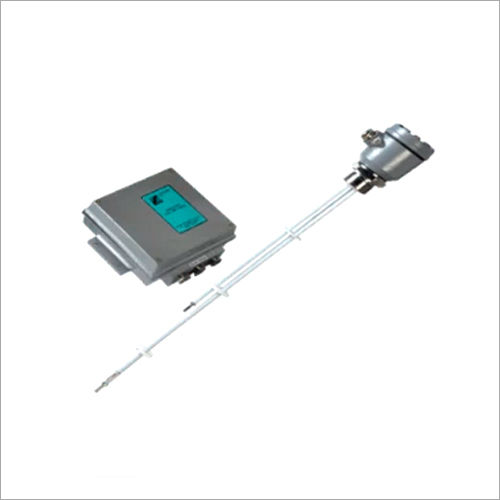
Conductive Liquid Level Sensor and Switch
Price 10000 INR / Piece
Minimum Order Quantity : 1 Piece
Material : Stainless Steel
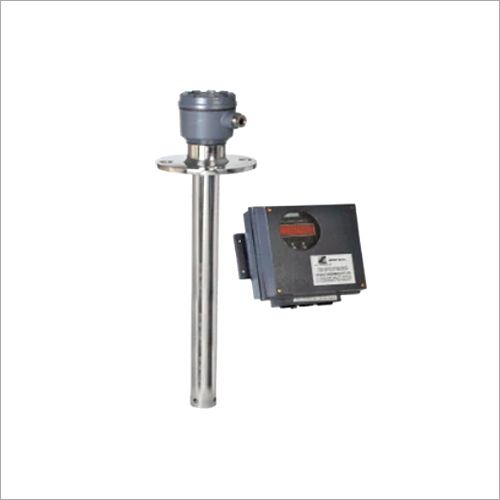
Water Treatment Plants Level Sensor
Price 10000 INR / Piece
Minimum Order Quantity : 1 Piece
Material : Stainless Steel
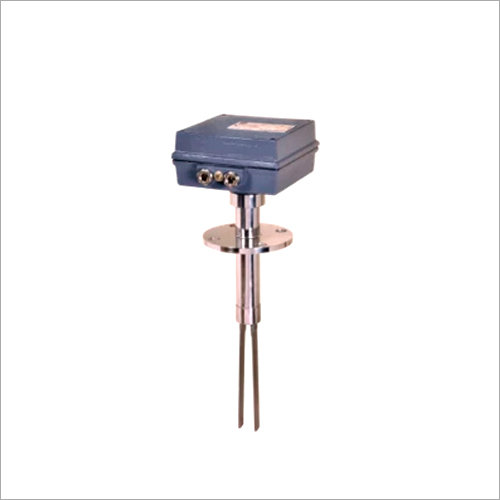
Vibrating Fork Level Sensor
Price 10000 INR / Piece
Minimum Order Quantity : 1 , , Piece
Material : Stainless Steel

Tuning Fork Level Sensor
Price 10000 INR / Piece
Minimum Order Quantity : 1 , , Piece
Material : Stainless Steel

Address
SAPCON INSTRUMENTS PVT. LTD.
GST : 23AACCS4126N1ZC
GST : 23AACCS4126N1ZC
- B No - 131, Palsikar Colony,Indore - 452004, Madhya Pradesh, India
- Phone :08071630670
- Send Inquiry
 Send Inquiry
 Send Inquiry
 Send SMS
 |
SAPCON INSTRUMENTS PVT. LTD.
All Rights Reserved.(Terms of Use) Developed and Managed by Infocom Network Private Limited. |
